Keto swaps for pasta, rice, bread and potatoes
Four vegetables do most of the substitution work in keto cooking: zucchini standing in for pasta, cauliflower for rice, lettuce for bread, and celeriac for potatoes. None of them is the thing it replaces, and pretending otherwise is how the swaps get a bad name. Cooked properly, each one is genuinely good on its own terms — here is how to get there, and where the honest limits sit.
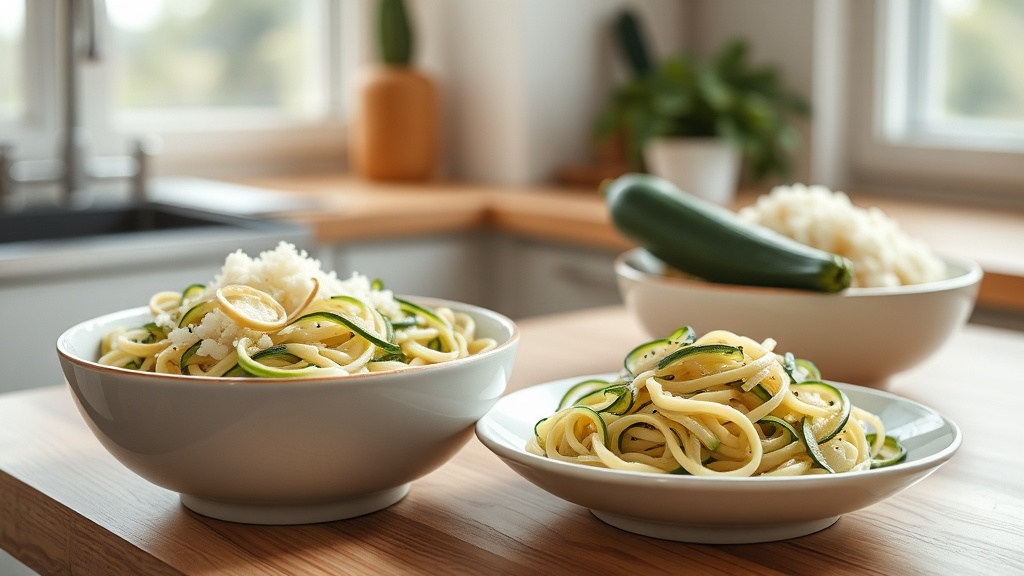
Zucchini noodles, without the puddle
The whole game is water management. Zucchini is mostly water, and every standard complaint — soggy, bland, swimming in thin sauce — traces back to it.
- Spiralize, or drag a vegetable peeler down the length for wide ribbons. Choose medium zucchini over huge ones; the big ones are seedier and wetter.
- Either salt the noodles and let them sit for fifteen minutes, then pat firmly dry — or skip straight to a very hot pan. The slow middle ground is what makes mush.
- Cook for about two minutes, tossing, and stop while they still have bite. Better yet, take the pan off the heat and let the warm sauce finish them.
- Raw works too: ribbons dressed like a salad keep their crunch completely.
Texture expectations: tender-crisp and fresh, closer to a warm vegetable salad than to al dente pasta. There is no starch, so sauce coats rather than clings, and the noodles keep releasing water onto the plate. Thick sauces — pesto, a well-reduced tomato sauce, garlic and oil with plenty of parmesan — handle this far better than anything brothy. The honest limit: a heavy ragù wants real pasta's chew and never quite gets it here. Build the dish around brightness instead and it stops feeling like a substitute; the keto dishes on this site are built that way deliberately.
Cauliflower rice that is not wet cabbage
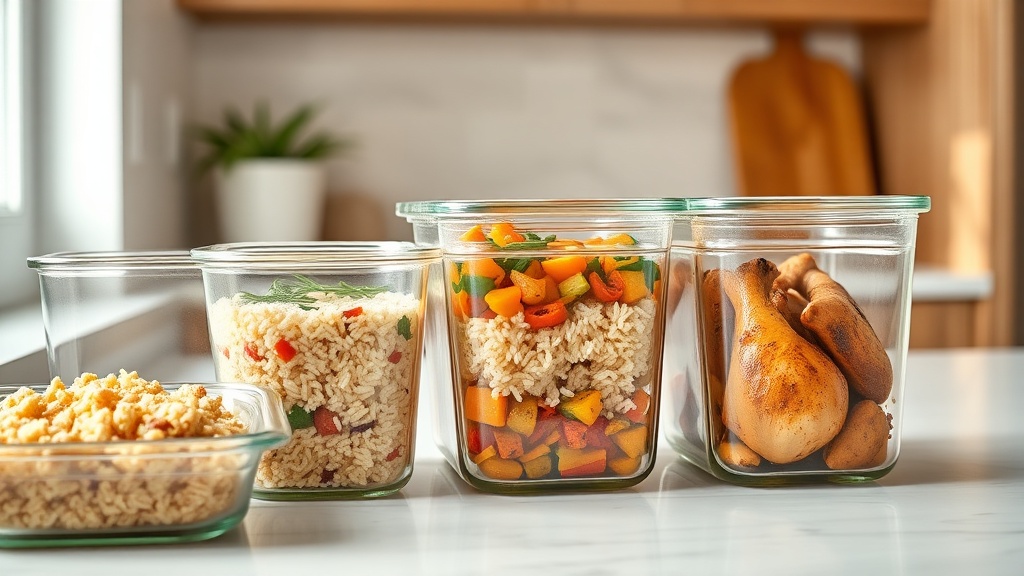
- Pulse raw florets in a food processor to couscous-sized bits — short pulses, in batches, or the bottom turns to purée while the top stays chunky. A box grater works; frozen bags work too.
- Cook it hot, fast, and dry: a wide pan, a little oil, the rice spread thin, and three to four minutes with only occasional stirring so it toasts a little.
- Crowding is the enemy. A mounded, steaming pan turns sulfurous and soft. Two batches beat one pile.
- Season assertively — salt, plus something with presence: cumin, lime zest, scallions, butter.
Texture expectations: loose, slightly nubbly grains with a mild flavor that takes on whatever you cook alongside. It will not turn sticky, and it will not drink up broth the way rice does — which means it sits under a saucy braise or a stir-fry beautifully, and several of our recipes use it exactly there. A risotto made from it is its own pleasant dish, not risotto. Frozen cauliflower rice is a fine shortcut; cook it straight from frozen in a hot pan so the water steams off instead of stewing.
Lettuce as the bread
The swap works when you choose the leaf for the job and keep everything dry.
- Butter or Boston lettuce for soft wraps and tacos — flexible cups that fold without cracking.
- Iceberg for crunch: cut cups for fillings, or full double-layered sheets wrapped burger-style in parchment.
- Romaine hearts as boats for sturdier, chunkier fillings.
Dry the leaves completely and double them up; a single wet leaf tears the moment a filling lands. Hot fillings should be well drained and added at the table, not five minutes before — heat wilts lettuce quickly and there is no rescuing it. The honest limits: nothing toasts, nothing has chew, and a juicy burger will eventually win the fight with any leaf. What you get instead is a colder, crunchier, fresher experience that stands on its own, especially with fillings composed for it rather than poured out of a saucier dish.
Celeriac, the underrated potato stand-in
Celeriac (celery root) is the knobby one at the bottom of the produce section, and it comes closer to doing potato jobs than any other vegetable. The flavor is gently celery-like raw and turns mellow, sweet, and nutty when cooked.
- Peel with a knife, not a peeler — cut the gnarled base off flat, then square off the sides.
- Mash: simmer chunks until fully tender, drain very well, then dry them out for a minute in the hot pot before mashing with butter. It mashes looser and silkier than potato; expect a purée, not a fluffy pile.
- Roasted: batons or cubes, oiled, in a hot oven until deeply browned at the edges. They go tender and caramelized but never shatter-crisp — a very good roasted vegetable, not a french fry.
- Gratin: thin slices layered with cream and baked slowly. This is the preparation where celeriac arguably beats the potato version.
The honest limit is starch: crispness and fluff both come from starch, and celeriac has little of it, so anything promising crispy celeriac fries is overselling. What it offers instead is flavor — more of it than a potato brings.
The pattern behind all four
- Manage water first. Salt it out, cook it hot, or keep it raw — the slow middle ground is where sogginess lives.
- Season harder than you would the original. These vegetables are milder than starches and show every missing pinch of salt.
- Stop treating the swap as a decoy. Each one works best in dishes designed around it, which is exactly how the weekly plans use them.
- Expect a vegetable, and a good one. Judged as pasta, zucchini loses. Judged as dinner, it holds up fine.